
Quick Answer
- Downtown Dubai and Dubai Hills Estate lead for capital growth potential.
- Jumeirah Village Circle offers the highest rental yields, near 10 percent.
- Entry prices for these projects start around AUD 250,000 off-plan.
- A two million AED purchase qualifies for a ten-year Golden Visa.
- Emaar, DAMAC, and Sobha Realty lead the most trusted developer list.
Dubai property projects deliver gross rental yields of 6% to 10%, well above what Sydney or Melbourne typically offer. That gap is why more Australians are researching Dubai real estate every month. But not every project delivers on that promise.
Picking the wrong project can mean weak resale demand or a slow-moving tenant market. This guide solves that problem. We rank the best places to buy, the developers, and the price points that consistently perform for overseas buyers.
Below, you will find the top Dubai property projects by area, yield, and entry cost. We also cover payment plans, Golden Visa thresholds, and what Australian tax rules apply.
Which Areas Rank Highest?
Every Dubai community offers a different balance of rental yield, capital growth, and tenant demand. The best choice depends on your investment goals, budget, and holding period. The areas below consistently rank among the city’s strongest performers and continue to attract both local and international investors.
Downtown Dubai
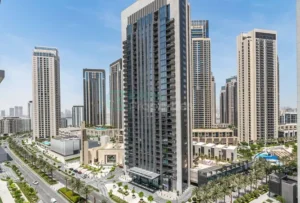
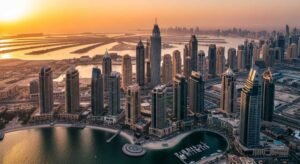
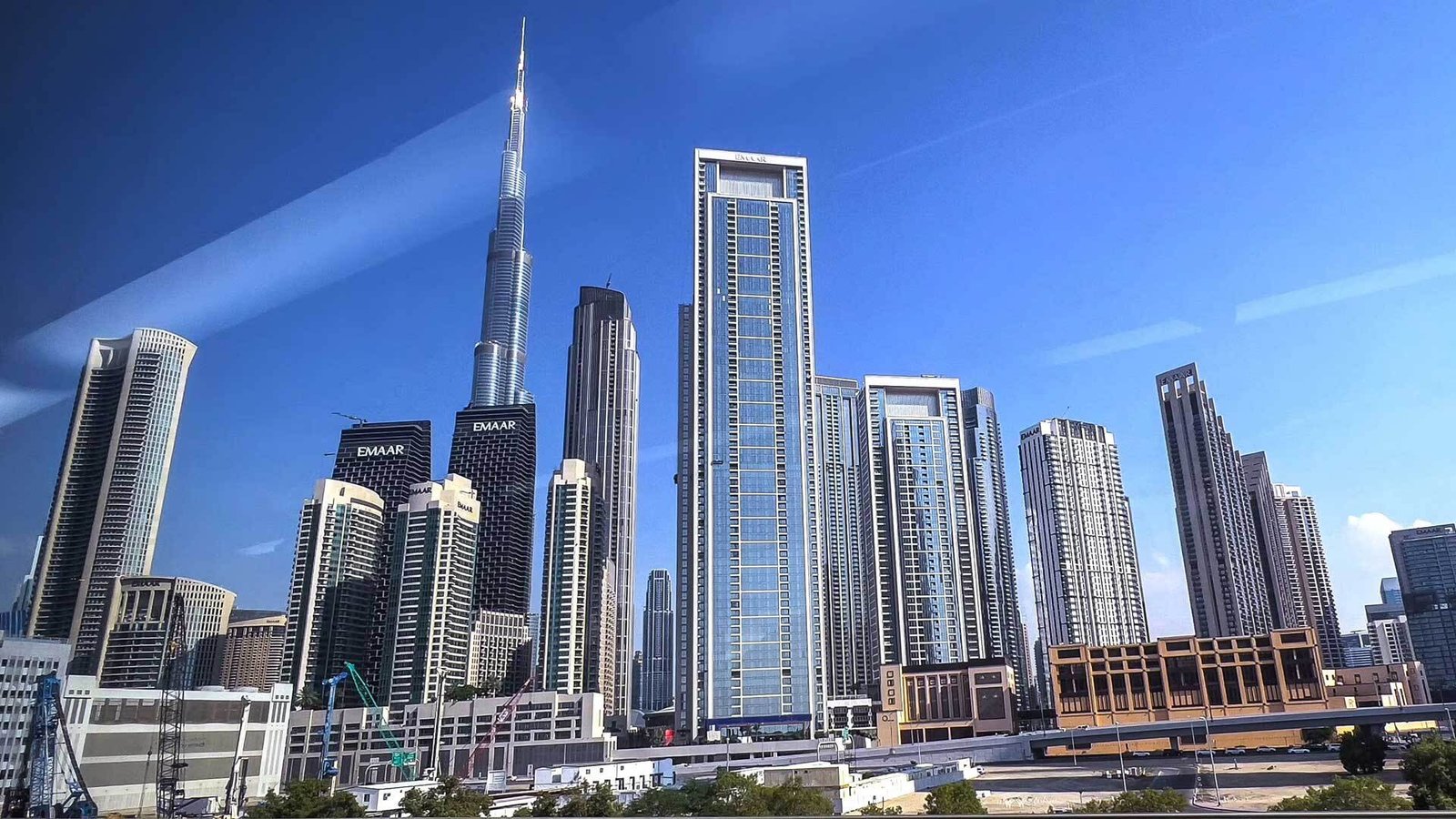
Downtown Dubai anchors the skyline around the Burj Khalifa. Emaar built this district, and it remains the benchmark for Dubai property projects focused on capital growth. Short-term rental demand stays strong year-round, driven by tourism and the Dubai Mall next door.
- Lead developer: Emaar Properties, with Mercedes-Benz Places among the 2026 launches
- Best for: capital appreciation and short-term rental income
- Gross yield: approximately 6% to 8%
- Standout feature: direct views of the Burj Khalifa and Dubai Mall
Downtown suits investors who want brand recognition and steady demand. Next, Dubai Hills Estate offers a different lifestyle angle for families and long-term tenants.
Dubai Hills Estate
Dubai Hills Estate earned the nickname Dubai’s Beverly Hills. Emaar designed this master community around a championship golf course and wide parkland. Families and expats favour the villas and townhouses here for the extra space and nearby schools.
- Lead developer: Emaar Properties, including the newer Greencrest launch
- Best for: families and long-term tenants seeking steady appreciation
- Gross yield: approximately 6% to 8%
- Standout feature: golf course frontage with Burj Khalifa skyline views
Dubai Hills rewards patient investors who value lifestyle appeal. Dubai Creek Harbour, our next stop, targets a different kind of long-term growth story.
Dubai Creek Harbour
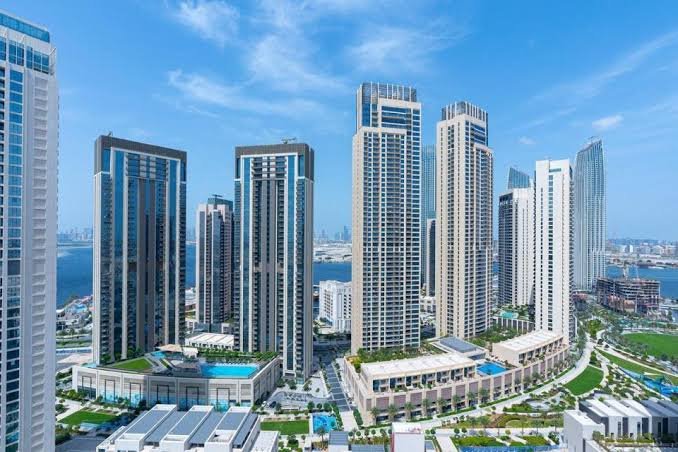
Dubai Creek Harbour sits on the waterfront near Ras Al Khor. Emaar is building this district around the future Dubai Creek Tower. Prices here still sit lower than Downtown, which gives early buyers more room for capital growth.
- Lead developer: Emaar Properties, master-planned waterfront community
- Best for: long-term capital growth as the district matures
- Gross yield: approximately 6% to 7%
- Standout feature: direct creek views and a future landmark tower
Creek Harbour still has room to grow before it fully matures. These three areas share one developer and one growth story, built on:
- On-time handovers across multiple master communities
- Escrow-protected payments through the Dubai Land Department
- A consistent design language buyers recognise instantly
Before comparing yields further, it helps to confirm that Australians can buy freehold property in these areas without restriction.
Where Do Yields Run Highest?
Rental yield varies significantly across Dubai, making location one of the biggest drivers of investment performance. The communities below consistently deliver some of the city’s strongest returns while maintaining steady tenant demand and long-term growth potential.
Jumeirah Village Circle
Jumeirah Village Circle, known as JVC, sits in the sweet spot for yield-focused buyers. Studios and one-bedroom units start lower here than almost anywhere else in Dubai. Binghatti and other mid-size developers keep new supply flowing into this community every quarter.
- Lead developer: Binghatti, alongside several boutique builders
- Best for: first-time investors chasing strong gross yield
- Gross yield: approximately 8% to 10%
- Standout feature: lowest entry price among established Dubai communities
JVC works best for investors who prioritise cash flow over prestige. Dubai Marina takes a more established path toward similar returns.
Dubai Marina
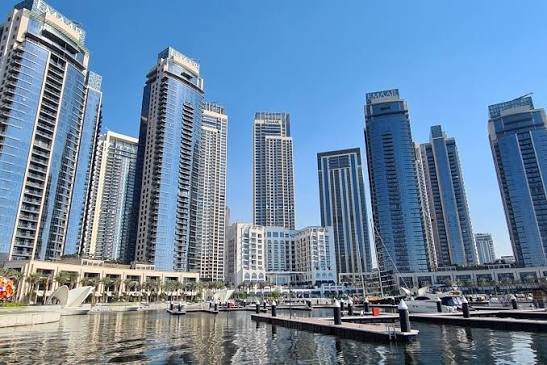
Dubai Marina remains one of the most recognised waterfront addresses in the city. Towers here range from budget studios to full luxury penthouses. Tenant demand stays consistent thanks to walkable dining, the tram line, and beach access nearby.
- Lead developer: multiple, with ongoing launches such as LIV LUX
- Best for: rental demand from young professionals and tourists
- Gross yield: approximately 7% to 9%
- Standout feature: waterfront lifestyle with strong short-term rental appeal
Marina offers a proven track record over newer, unproven communities. Business Bay, next door to Downtown, brings a sharper commercial edge.
Business Bay
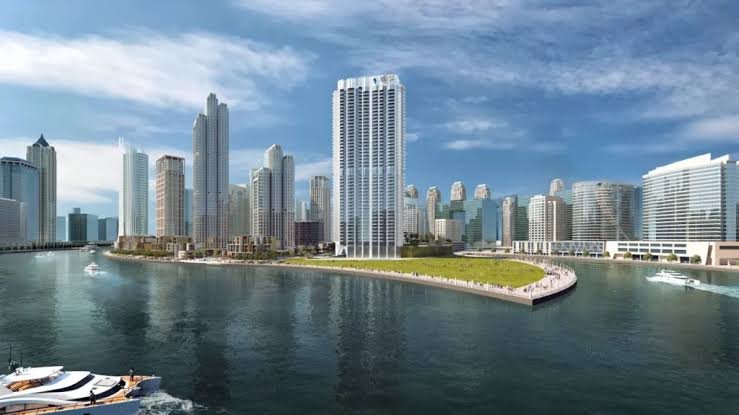
Business Bay sits minutes from the Burj Khalifa but at a noticeably lower entry price. Omniyat has built some of its most striking signature towers in this district. The mix of offices and apartments keeps daytime and evening demand high.
- Lead developer: Omniyat, known for architecturally distinctive towers
- Best for: investors wanting central location without Downtown pricing
- Gross yield: approximately 7% to 9%
- Standout feature: canal views paired with a business-district address
Business Bay closes the gap between yield and location better than most areas. These off-plan projects across the three communities now draw most new investor enquiries. Prices stay accessible while yields hold firm.
Top Dubai property projects at a glance.
| Area | Best For | Entry Price (AUD) | Gross Yield |
| Downtown Dubai | Capital growth | From ~450,000 | 6% – 8% |
| Dubai Hills Estate | Family living | From ~500,000 | 6% – 8% |
| Dubai Creek Harbour | Long-term growth | From ~350,000 | 6% – 7% |
| Jumeirah Village Circle | High yield | From ~250,000 | 8% – 10% |
| Dubai Marina | Rental demand | From ~350,000 | 7% – 9% |
| Business Bay | Central location | From ~380,000 | 7% – 9% |
The table compares Dubai’s leading investment communities by entry price, rental yield, and primary investment focus.
Which Luxury Projects Stand Out?
Luxury developments appeal to buyers seeking premium locations, strong long-term capital growth, and world-class amenities. While each project has its own strengths, the communities below consistently rank among Dubai’s most desirable addresses for high-end property investment.
Sobha Hartland II
Sobha Hartland II sits close to Downtown but trades density for green space. Sobha Realty is known for handling design and construction in-house. That control shows up in tighter finishes and fewer handover delays than many competitors.
- Lead developer: Sobha Realty, vertically integrated from design to build
- Best for: high-net-worth buyers wanting fewer delivery surprises
- Gross yield: approximately 6% to 7%
- Standout feature: lagoon access and manicured landscaping throughout
Sobha’s reputation for quality justifies its premium over nearby areas. Buyers comparing luxury investment properties often shortlist Sobha Hartland II first. Palm Jumeirah remains the more iconic choice for lifestyle-driven buyers.
Palm Jumeirah
Palm Jumeirah is still the most recognised address in Dubai real estate. Nakheel built the original island, and newer developers now add fresh towers along its crescent. Buyers here pay a premium for scarcity, not for yield.
- Lead developer: Nakheel, plus newer entrants like AHS Properties
- Best for: long-term capital growth and trophy-asset appeal
- Gross yield: approximately 5% to 7%
- Standout feature: private beach access and unmatched brand recognition
Palm Jumeirah suits investors focused on prestige over pure cash flow. Mohammed Bin Rashid City offers a newer take on that same luxury positioning.
MBR City
Mohammed Bin Rashid City, often shortened to MBR City, is Dubai’s newer luxury frontier. Ellington Properties recently launched Claydon House along its canal network. The area blends villas, apartments, and green space inside one master plan.
- Lead developer: Ellington Properties, alongside Meydan and other builders
- Best for: buyers seeking a newer alternative to Downtown luxury
- Gross yield: approximately 6% to 8%
- Standout feature: canal-side living with boutique architecture
MBR City is still forming its identity, which keeps entry prices reasonable today. These three luxury projects show why buyers now have real choice beyond Downtown and the Palm.
Each of these luxury communities offers a different balance of prestige, lifestyle, and long-term investment potential. Choosing the right project depends on your budget, return objectives, and preferred property type.
How Much Do Projects Cost?
Cost is about more than the advertised price. Australian buyers should consider entry pricing, payment plans, transaction costs, and long-term investment value before choosing a project. Understanding these factors makes it easier to compare opportunities and build a realistic budget.
Entry-Level Pricing
Most Dubai property projects open at a lower price point than Australian buyers expect. Studios in JVC or Creek Harbour often start around AUD 250,000. Larger units in Downtown or Dubai Hills typically start closer to AUD 450,000.
- Studio apartments: from approximately AUD 250,000
- One-bedroom units: from approximately AUD 350,000
- Villas and townhouses: from approximately AUD 600,000
- Deposit required off-plan: typically 10% to 20% upfront
Dubai’s Land Department recorded AED 252 billion in transactions during Q1 2026 alone. That is a 31 percent jump year on year, and it shows genuine demand rather than marketing hype.
Payment Plan Structures
Developers behind these Dubai property projects rarely ask for full payment upfront. Most offer staged plans that stretch across construction and beyond. Off-plan sales made up most residential transactions in Dubai during Q2 2026. That is why staged plans have become the market norm.
- Lower upfront cash than a typical Australian mortgage deposit
- No bank approval needed on most developer-direct plans
- Some post-handover plans extend up to five years
- Payments stage over time, easing currency conversion timing
Off-plan payment plan structures.
| Plan Type | Structure |
| 60/40 Plan | 60% during construction, 40% on handover |
| 70/30 Plan | 70% during construction, 30% on handover |
| 1% Monthly Plan | 10% to 20% deposit, then 1% monthly instalments |
| Post-Handover Plan | Final 30% spread over 2 to 5 years after completion |
Buyers using Self-Managed Super Funds should treat these plans carefully. SMSF borrowing rules rarely align with staged offshore payments. A mortgage broker familiar with both systems can help structure the purchase correctly.
Golden Visa Threshold
Spending AED 2,000,000 or more on qualifying Dubai property projects unlocks a ten-year UAE Golden Visa. At current exchange rates, that works out to roughly AUD 785,000.
- Ten-year residency, renewable while you still hold the property
- Covers a spouse, children, and parents on one application
- No minimum number of days required inside the UAE
- Opens the door to UAE bank accounts and business setup
Golden Visa snapshot.
| Requirement | Detail |
| Minimum investment | AED 2,000,000 (approximately AUD 785,000) |
| Visa length | 10 years, renewable |
| Family coverage | Spouse, children, and parents |
| Minimum UAE stay | None required |
This threshold applies whether you buy one property or combine several. Common combinations include:
- A Downtown or Marina unit paired with a smaller JVC purchase
- Two Business Bay units held under one ownership structure
- A single Dubai Hills Estate villa purchased outright
The Golden Visa route through property has become one of the fastest-growing reasons Australians attend the Dubai Property Expo.
Dubai’s yield advantage becomes clearer next to home-market numbers. Cotality data shows Sydney gross yields sitting near 3.1%, with Melbourne only slightly higher. A few factors widen that gap:
- No land tax or council rates on Dubai property
- Zero personal income tax on rental earnings
- Lower entry prices relative to comparable capital-city units
- Currency stability from the AED’s peg to the US dollar
The appeal for Australian investors becomes obvious.
Dubai vs Australian capital city yields.
| Market | Typical Gross Yield |
| Sydney | ~2.6% to 3.1% |
| Melbourne | ~3.4% |
| Dubai (Downtown / Hills / Creek Harbour) | 6% to 8% |
| Dubai (JVC / Marina / Business Bay) | 7% to 10% |
Recent regional headlines have also pushed some investors to pause. Our coverage of the market after the Iran conflict breaks down why fundamentals held firm. Understanding both the upside and the risks helps you weigh the pros and cons before committing capital.
Ready to Explore These Projects?
Dubai property projects now offer Australian investors a genuine alternative to compressed local yields. Downtown Dubai and Dubai Hills Estate suit buyers chasing long-term growth. JVC and Business Bay reward those who want cash flow sooner. Luxury names like Sobha Hartland II and Palm Jumeirah round out the picture. These suit buyers who want a trophy asset alongside their returns.
Every project in this guide comes from a developer with a proven Dubai Land Department track record. Before committing, verify the developer’s registration, escrow protection, current pricing, and payment plan terms. If your investment reaches AED 2 million, confirm Golden Visa eligibility and understand your Australian tax reporting obligations. Speaking with a qualified advisor before purchasing remains the safest next step.
The Dubai Property Expo Australia brings these developers and projects together under one roof for exactly this reason. Register for the next event to compare projects directly with developer representatives. Visit the Dubai Property Expo Australia homepage to secure your place.
Frequently Asked Questions
What are the best Dubai property projects for Australians?
Downtown Dubai, Dubai Hills Estate, and Jumeirah Village Circle currently rank as the strongest picks for Australian buyers. Downtown and Dubai Hills suit investors chasing capital growth, while JVC delivers the highest rental yields of the group. Sobha Hartland II and Palm Jumeirah add a luxury option for buyers who want a trophy asset. The right pick depends on whether you prioritise yield, growth, or prestige. Match the project to your goal, not the most advertised option.
How much do Dubai property projects cost to buy?
Entry prices start around AUD 250,000 for a studio in an area like JVC or Creek Harbour. Larger one-bedroom units typically start near AUD 350,000, while villas and townhouses often begin around AUD 600,000. Most developers only ask for a 10% to 20% deposit upfront on off-plan units. The balance then stages across construction. Actual pricing depends heavily on the specific building, floor, and view. Treat these figures as a starting range, not a fixed quote.
Which Dubai developer is best for Australian investors?
Emaar, DAMAC, and Sobha Realty are widely regarded as the most reliable developers for Australian buyers. Emaar leads on scale and track record. It delivered Downtown Dubai, Dubai Hills Estate, and Dubai Creek Harbour largely on schedule. Sobha Realty stands out for build quality thanks to its in-house design and construction model. Binghatti and Omniyat also perform well in the mid-market and Business Bay segments. Always confirm Dubai Land Department registration and escrow protection before transferring any deposit.
Do Australians pay tax on Dubai property income?
Yes, Australian tax residents must declare Dubai rental income on their Australian tax return. The UAE itself charges no personal income tax. Because Dubai does not tax that income, there is no foreign tax credit to claim. The full amount gets added to your assessable income instead. Capital gains on the eventual sale follow the same worldwide income principle. A tax adviser familiar with both jurisdictions can help you plan before you invest.
Can Australians get a mortgage for these projects?
Yes, several UAE banks offer mortgages to non-resident Australian buyers, though the terms differ from an Australian home loan. Lenders typically cap borrowing at 50% to 60% of the property value for non-residents. That means a larger deposit is required upfront. Many buyers instead use developer payment plans, which spread costs across construction without involving a bank at all. Comparing both options before committing usually reveals which path suits your cash flow better.